
Kenya’s Debt Crisis Is Becoming a Generational Economic Question
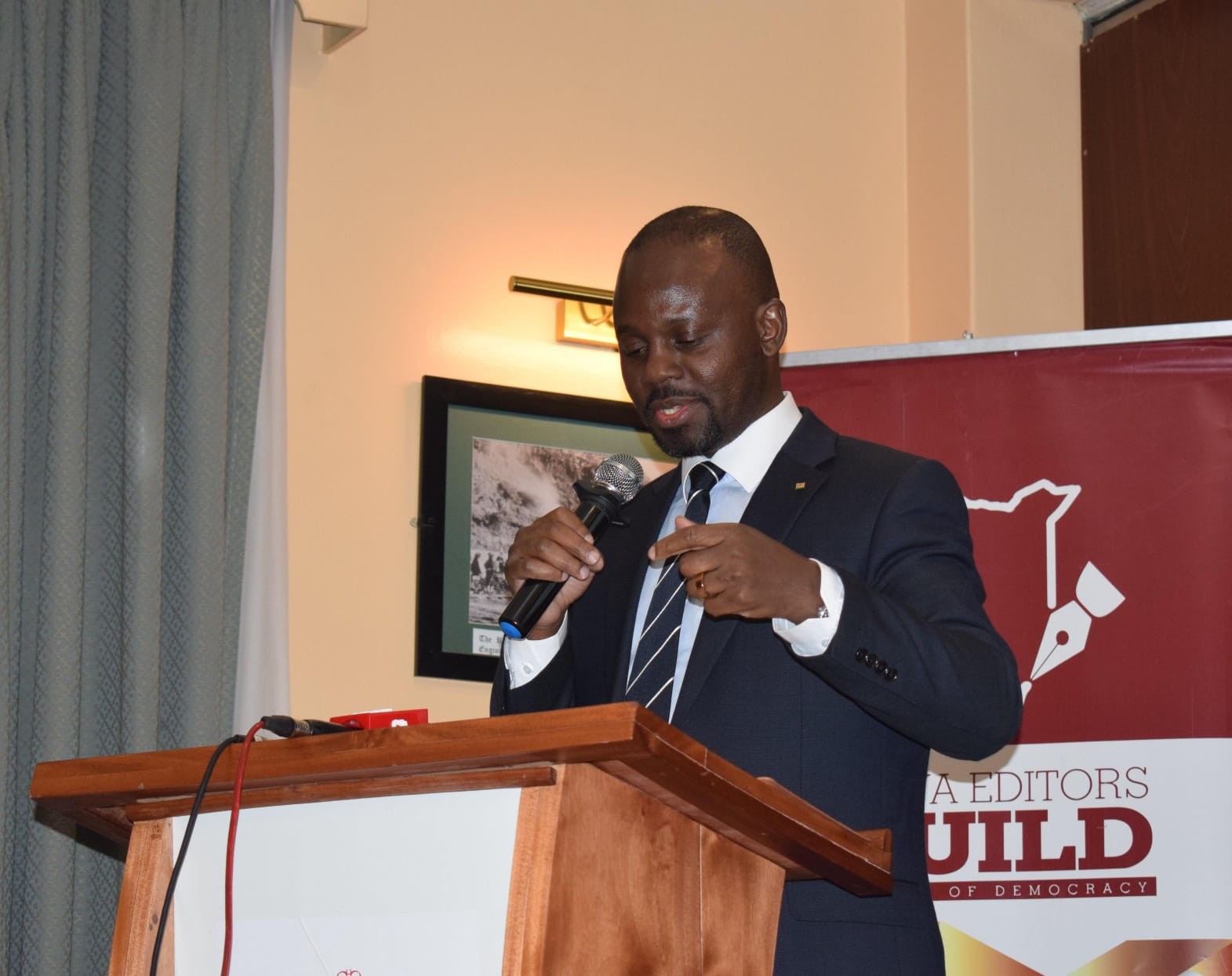
Posted by EDITORIAL
Kenya’s debt debate deepens as editors, economists and lawmakers examine costly borrowing, transparency, crowding out, county spending and healthcare devolution.
Also Read: Who Benefits When the Kenyan Government Borrows?
In Summary:
Kenya’s public debt is increasingly shaping the country’s economic choices, from access to credit and the cost of borrowing to transparency, county spending and the delivery of essential services. Editors, economists, civil society and lawmakers warn that the consequences of today’s borrowing decisions could define Kenya’s economic policy for a generation.
Also Read: How Illicit Financial flows sits in Nairobi's Skyscrapers Acquired from US
The conversation on Kenya’s public debt is entering a new phase. Rather than asking only how much the country owes, an institutional dialogue this week brought into focus the wider economic and governance consequences of borrowing — and what they could mean for Kenyans for years to come.
Economist Churchill Ogutu highlights one of the less visible consequences of heavy government borrowing: the pressure it places on private-sector access to credit.
“Because of the higher yield and the government borrowing heavily, even banks, which primarily fund government borrowings, are not able to lend to borrowers like you and me,” Ogutu said, describing the situation as the crowding-out effect.
The warning is significant for ordinary Kenyans and businesses. When government offers attractive returns to financial institutions through its borrowing programme, banks may have less incentive or capacity to extend credit to businesses and individuals. The result can be more expensive financing for entrepreneurs, reduced investment and fewer opportunities for businesses seeking to expand.
The dialogue also exposed another fundamental problem: the public does not always have sufficient access to information about the debt it is expected to repay.
Alexander Riithi of The Institute for Social Accountability pointed to a High Court ruling requiring the National Treasury to provide debt contracts, arguing that continued opacity around how debt is acquired and managed raises serious questions about transparency.
The issue is bigger than access to documents. Citizens need to understand the terms under which the country borrows, the obligations attached to those loans and the circumstances under which future governments and taxpayers will be required to repay them.
Kwame Owino, Chief Executive Officer of the Institute of Economic Affairs, warned that domestic borrowing has become an especially important part of this conversation because of its cost.
Despite public attention often focusing on foreign borrowing, domestic debt now makes up the larger portion of Kenya’s debt portfolio. Owino warned that domestic borrowing carries higher interest costs and can become increasingly expensive to service.
“We are going into expensive debt,” Owino cautioned, warning that some of the risks associated with borrowing may be hidden and only become apparent later.
His warning points to a difficult reality: borrowing today can create obligations that may constrain policy choices tomorrow.
Owino further argued that Kenya’s debt problem is likely to become a defining question for economic policy for the next generation, placing an additional responsibility on journalists.
Advertise with JLC News Global Here
For editors and journalists, this means public debt can no longer be treated as an occasional Treasury story. It requires sustained reporting that explains the economic consequences of borrowing and helps citizens understand what government debt means for their livelihoods, businesses and public services.
The dialogue also raised questions about whether Kenya is receiving sufficient value from resources transferred to counties since the advent of devolution.
Senator Moses Kajwang’ challenged the country to look beyond expenditure gaps and ask what has actually been achieved with resources sent to counties.
The question is particularly important because accountability cannot end with the transfer of funds. Kenyans need to see whether those resources have translated into functioning hospitals, better roads, water services and other improvements in their communities.
Kajwang’ also called attention to the role of the Auditor-General, noting that auditing should go beyond identifying expenditure weaknesses and contribute more directly to accountability.
He expressed concern that recommendations for prosecution can sometimes become dominated by dramatic arrests that ultimately produce little accountability. The underlying issue, therefore, is not simply whether people are arrested, but whether public institutions are capable of recovering lost resources, establishing responsibility and securing justice.
Perhaps the most consequential question raised during the dialogue concerned healthcare and devolution.
Kajwang’ questioned whether health should remain fully devolved to the 47 county governments, raising concerns about the risks of requiring every county to manage healthcare for its population.
Also Read: When Kenya’s NSE Broke Ksh 3 Trillion Ceiling
The question deserves a national conversation based on evidence rather than political convenience.
Devolution was designed to bring services closer to citizens, but healthcare presents particularly complex challenges involving specialised expertise, procurement, staffing, medical equipment, financing and equitable access. Whether these responsibilities are best managed at county level, nationally or through a clearer division of functions is a question that warrants serious policy scrutiny.
The broader lesson from the dialogue is that Kenya’s debt problem cannot be separated from the way government functions.
Borrowing affects credit markets. Debt servicing affects government priorities. Weak transparency undermines public trust. County expenditure raises questions about value for money. And decisions on public services such as healthcare determine whether citizens actually experience the benefits of government spending.
This is where the media’s role becomes particularly important.
The Media Issues Paper emerging from the editors’ engagement provides an opportunity to shift public debt reporting from occasional announcements about new loans towards sustained examination of the consequences of borrowing.
Owino warned, Kenya’s public debt is likely to remain a framing question for economic policy for years to come.
READ MORE BUSINESS AND INVESTMENTS NEWS HERE
PHOTO CREDITS: Kenya Editors Guild X Account

