
Ambulex Targets to Protect 100,000 Kenyan Families
Posted by EDITORIAL
Ambulex targets to protect 100,000 Kenyan families through emergency response and coordinated medical care.
In Summary:
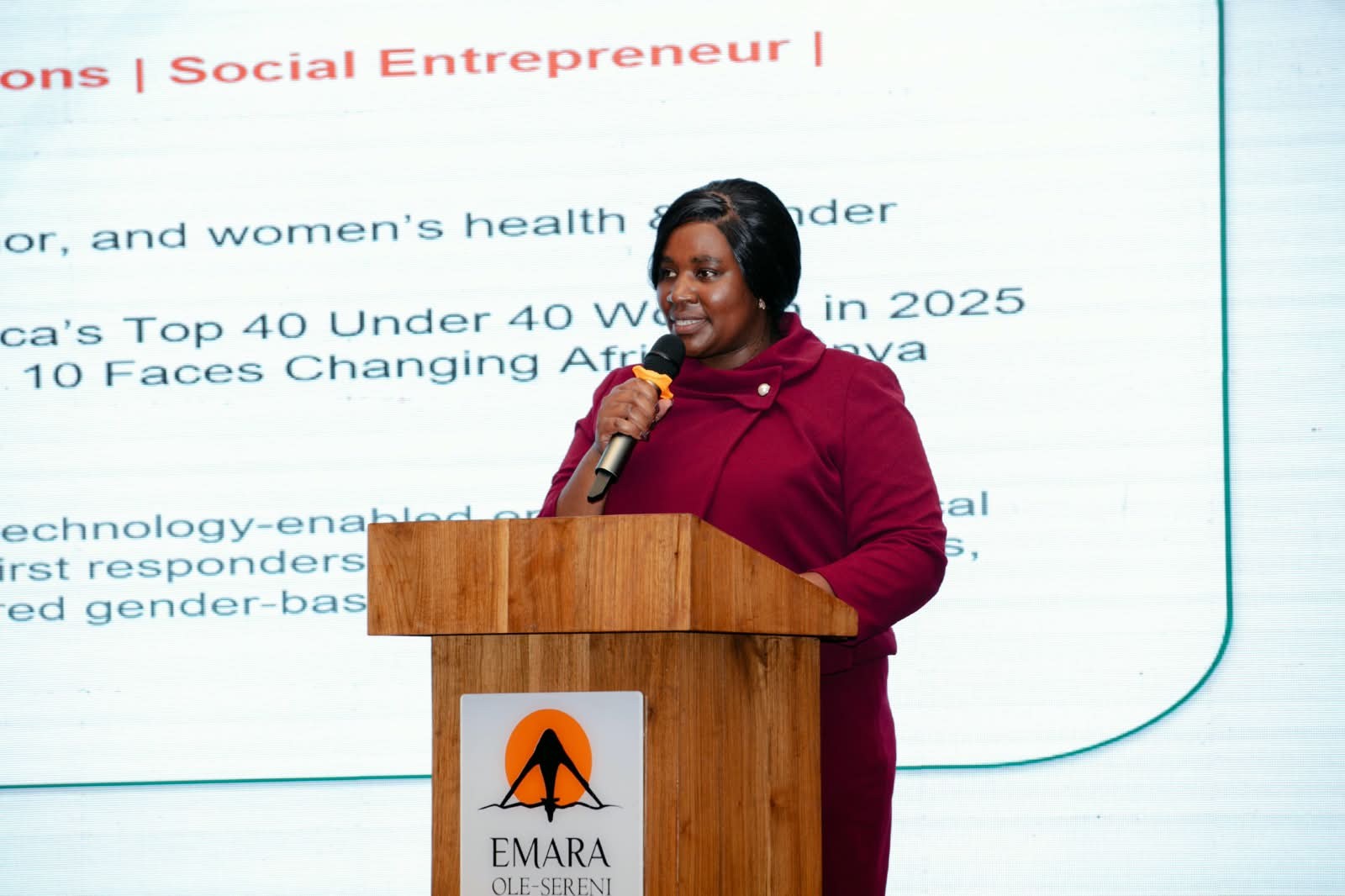
Ambulex unveils its Adopt a Family Campaign, an initiative seeking to protect 100,000 Kenyan families through timely emergency response and coordinated medical care. Speaking during the campaign launch, Ambulex Chief Executive Officer Judith Oketch called for collective action and stronger support systems to ensure families facing emergencies can access assistance without the burden of raising money before receiving care. The event also heard a deeply moving account from a GBV survivor who endured sexual violence, community stigma and rejection, highlighting the lasting consequences of abuse and the urgent need for compassionate, survivor-centred support.
Also Read: Kenyas Ebola Response Hinges on Transparency Timely Information and Public Cooperation
Also Read: How Kenya Marked World Prematurity Day
Also Read: Children Brave Cold Morning to Shine light on Type 1 Diabetes
Speaking yesterday, Oketch said the initiative was driven by her commitment to ensuring that families can access emergency assistance when they need it most, regardless of their financial circumstances. She expressed gratitude to the partners, supporters and individuals who had believed in the vision and contributed to bringing the campaign to life.
Oketch emphasised that financial vulnerability should never determine whether someone receives emergency medical attention. She noted that families sometimes exhaust their resources trying to keep loved ones alive, leaving them unable to meet the additional costs associated with emergency transportation and accessing healthcare.
As a mother, she said the initiative was particularly meaningful because emergencies can affect any family, regardless of its social or economic standing. She expressed hope that no parent, child or other family member would have to endure unnecessary suffering because timely medical assistance was inaccessible.
The Adopt a Family Campaign seeks to mobilise individuals, organisations, businesses and development partners to sponsor emergency response coverage for households that would otherwise struggle to access such services. Under the programme, sponsored families receive a year of emergency response support, including ambulance dispatch, referral coordination and healthcare navigation.
The initiative also recognises Gender-Based Violence as an emergency requiring timely intervention, particularly where survivors need urgent medical attention, safe transportation and access to appropriate healthcare facilities. By strengthening emergency response coordination, Ambulex seeks to address some of the barriers that prevent survivors and vulnerable families from receiving assistance when it matters most.
One of the most moving moments of the launch was the testimony of a GBV survivor, whose identity is withheld to protect her privacy and dignity. She recounted a traumatic experience of sexual violence involving multiple perpetrators, some of whom she knew personally. The assault left her with serious injuries and an unexpected pregnancy, placing her in an extremely difficult position as she considered whether to continue the pregnancy.
At the time, she was serving as a nun in the Catholic Church. Despite the circumstances surrounding the pregnancy, she eventually made the decision to continue it and gave birth to a daughter. However, the challenges did not end with the birth of her child.
She described facing stigma, victimisation and rejection from members of her community, including people within her own family. Rather than receiving the compassion and support she needed, she was subjected to hurtful remarks and judgement from people who should have stood by her.
Her testimony highlighted how the consequences of GBV can extend far beyond the initial incident, with survivors often facing additional barriers through stigma, discrimination, isolation and inadequate support systems. Her experience reinforced the importance of creating environments where survivors can access medical care, psychosocial support and protection without being blamed for the violence committed against them.
The testimony also brought attention to the importance of coordinated emergency response systems that recognise the immediate medical needs of survivors while protecting their dignity and rights.
Also Read:When Giving Life becomes a Fight for Survival, Kenyas Maternal Health Crisis
Ambulex's campaign comes at a time when access to emergency medical services remains a challenge for many households, particularly those in underserved communities. Through its sponsorship model, the organisation aims to mobilise resources to protect 100,000 Kenyan families, with the ultimate goal of making emergency assistance more accessible and reducing delays in accessing critical care.
The campaign is therefore seeking to move beyond awareness and translate public support into practical interventions that can help families access assistance during medical emergencies, including cases involving GBV.
By bringing together private sector actors, healthcare providers, government representatives and community stakeholders, Ambulex is calling for a collective approach to emergency response, where timely intervention is treated as an essential part of protecting lives.

