
EPRA Tariff Review Signals New Cost Dynamics for Kenya’s Energy Supply Chain
Posted by JIM MWANDA
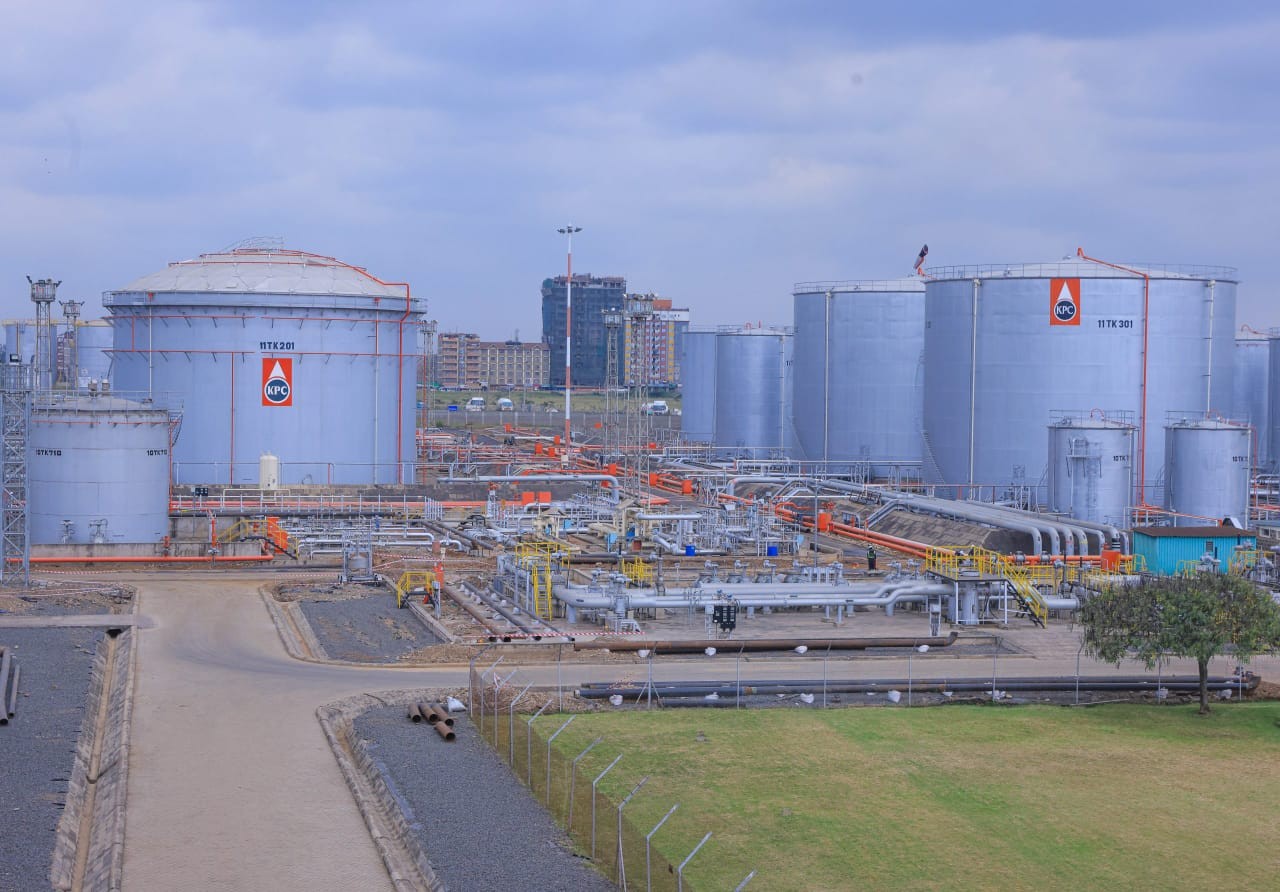
Kenya’s Energy and Petroleum Regulatory Authority (EPRA) is consulting on new pipeline and secondary storage tariffs proposed by Kenya Pipeline Company (KPC). The move may affect petroleum prices, transport margins, and regional trade flows across East Africa.
Nairobi Kenya
READ: Africa Needs $1.5 Billion Power for its Infrastructure
READ: IEC-AFRC Marks a Decade of Strengthening Africa’s Voice in Electrotechnology
In Summary
- EPRA’s proposed tariff adjustments could reshape operating costs for oil marketers and logistics firms.
- The review aims to balance infrastructure investment with consumer price stability.
- Businesses dependent on petroleum transport face likely cost pass-throughs and supply chain recalibration.
Kenya’s energy market is at a turning point as the Energy and Petroleum Regulatory Authority (EPRA) opens consultations on a proposed review of pipeline and secondary storage tariffs. The proposal, brought forward by the Kenya Pipeline Company (KPC)—seeks to raise funds for critical infrastructure upgrades and operational maintenance across its 1,342-kilometre network.
For the business community, the implications run deep. Petroleum remains the lifeblood of logistics, manufacturing, and regional trade. Any tariff adjustment at the pipeline level reverberates across retail fuel pricing, transport costs, and the cost structure of industries that rely on petroleum products.
EPRA Director General Daniel Kiptoo Bargoria explained that the review aims to ensure KPC can recover costs linked to essential investments such as the; Nairobi-Eldoret capacity enhancement, new storage tanks in Western Kenya, and modernization of its data and control systems—while maintaining affordability and reliability for consumers.
“Our objective remains to balance cost recovery for essential infrastructure installation and operations with the need to maintain affordable and reliable petroleum products for consumers,” Kiptoo said.
KPC’s last approved tariff covered the period 2022/23–2024/25 and expired in June 2025. The new proposal comes amid increasing fuel demand in Kenya and neighbouring countries such as Uganda, Rwanda, and the DRC that depend on the Mombasa-Nairobi-Eldoret-Kisumu corridor for refined petroleum imports.
Economists suggest that any increase in pipeline tariffs could feed into higher wholesale and retail fuel prices unless offset by government stabilization measures. For oil marketing companies, the adjustments may tighten margins, prompting them to optimize supply routes or explore joint storage and distribution agreements.
For logistics operators and manufacturers, the ripple effects may appear as marginal cost escalations in transport and production. Yet analysts also note potential long-term gains: if KPC’s modernization plan succeeds, efficiency gains from improved flow rates and digital control could eventually reduce downtime, product losses, and unaccounted-for fuel.
The review also underscores a wider policy shift: regulators are increasingly moving to align infrastructure financing with actual use and performance rather than blanket subsidies. The outcome will reveal how Kenya intends to fund its growing energy infrastructure while keeping its economy competitive.
In the short term, businesses should anticipate a period of adjustment—factoring possible increases in fuel-related costs into pricing and logistics planning. In the longer view, modernized energy logistics may strengthen regional trade reliability, positioning Kenya as an even stronger hub for petroleum transit in East Africa.
