
Nairobi Hospital Restores Full Insurance Cover After Dispute with Insurers
Posted by JIM MWANDA
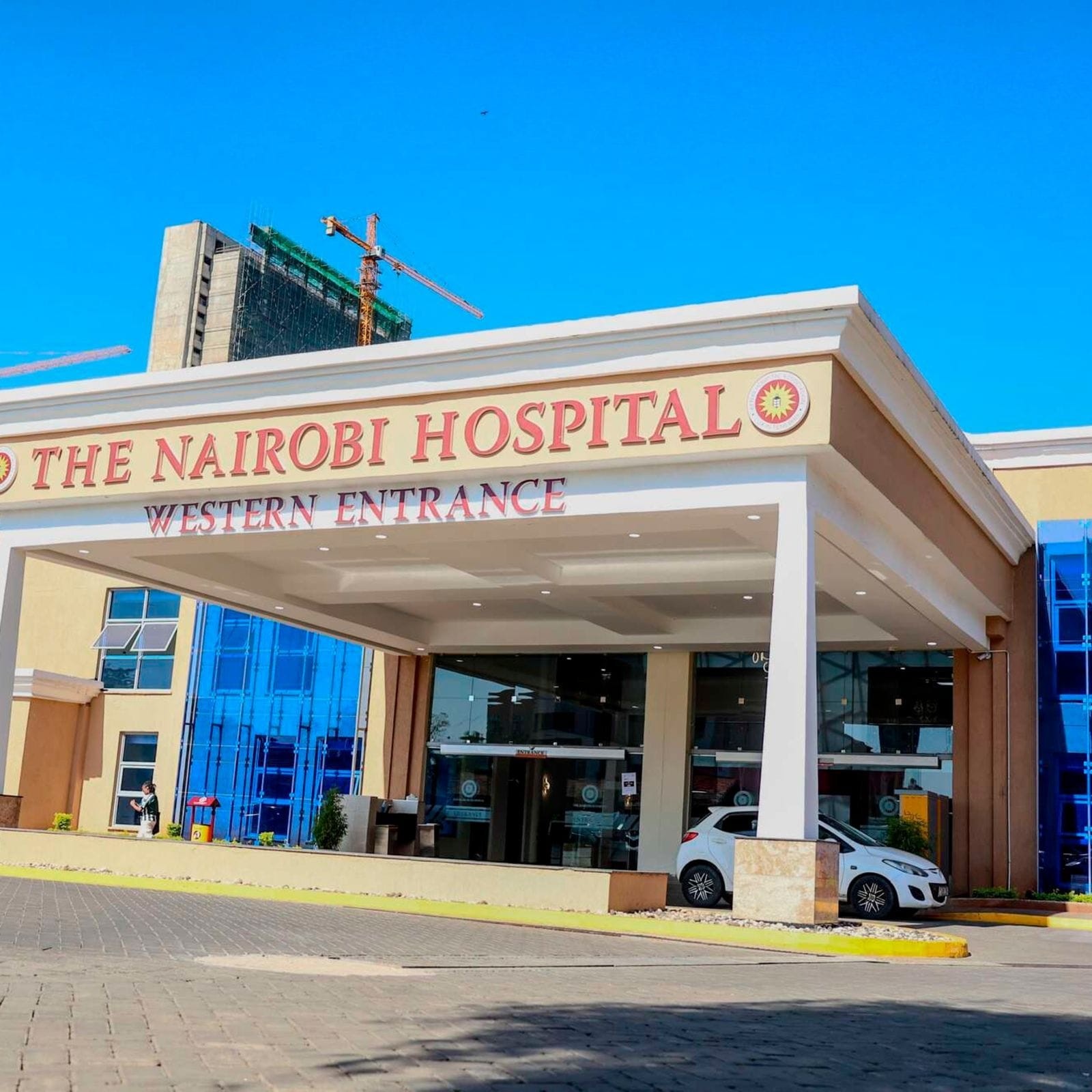
After several weeks of structured dialogue, Nairobi Hospital and its insurance partners have reached an agreement to reinstate full medical cover, bringing relief to patients and signalling a new chapter in Kenya’s healthcare financing system.
Nairobi Kenya
In Summary
Nairobi Hospital and major insurers have resolved their two-month dispute over new service tariffs, restoring full insurance coverage and ending a standoff that had disrupted patient care. The agreement follows weeks of negotiation aimed at rebuilding trust after insurers protested sudden price increases of up to 61 percent. Both sides have now pledged to strengthen collaboration, improve transparency, and prevent similar breakdowns in future. For patients, the deal restores confidence and uninterrupted access to care: marking a crucial step toward a more balanced, accountable private healthcare system in Kenya.After weeks of tense negotiations, Nairobi Hospital and leading insurers have reached an agreement to reinstate full medical cover, bringing relief to patients and signalling a new chapter in Kenya’s healthcare financing system.
Nairobi Hospital has restored full insurance coverage across all its services, ending a bruising standoff with major underwriters that had disrupted care and left thousands of patients paying out of pocket. The breakthrough follows weeks of negotiations between the hospital’s management and top insurance executives, culminating in a joint statement that reaffirmed their shared commitment to affordable, high-quality healthcare.
The hospital’s Chief Executive Officer, Felix Osano, described the agreement as a milestone in rebuilding trust and ensuring uninterrupted patient access.
“This resolution reflects our collective responsibility to deliver continuous, quality healthcare. Our partnership with insurers is not just transactional; it is anchored in purpose, trust, and service to patients,” he said.
He added that the hospital would continue to streamline claims processes, improve transparency, and enhance patient experience.
Dr. Barcley Onyambu, Chairperson of the Kenya Hospital Association (KHA) Board, echoed this sentiment, noting that the new understanding marked a shift towards long-term collaboration.
“This outcome shows what can be achieved when we approach challenges with openness and shared purpose. It is important to communicate with one voice to reassure clients that full coverage has been reinstated,” he said.
READ: Kenya unveils nationwide mental health project to fight stigma and bridge care gap
READ: Half of Nairobi Residents Living with Trauma: Landmark Study Exposes Silent PTSD Crisis
READ: Nairobi Hospital Reaffirms Stability with Sh1.5B Upgrade Drive
The impasse began in early August when Nairobi Hospital introduced new tariffs that significantly raised the cost of services, including diagnostics, imaging, and accommodation. The adjustments; reportedly up to 61 percent: triggered swift backlash from insurers who argued that the increases were abrupt, unsustainable, and risked making healthcare unaffordable for many Kenyans.
Eight major insurance firms, including Madison, First Assurance, Minet, Old Mutual, Britam, AAR, CIC, and Pacis Insurance, suspended medical cover for their clients at the hospital in protest. Patients under these providers suddenly found themselves unable to access care unless they paid in cash: some in the middle of ongoing treatment.
Faced with mounting criticism and patient distress, the hospital temporarily halted the new pricing and invited insurers to the negotiation table. Management maintained that the revisions were necessary to offset rising operational costs, inflation, and heavy investment in modern medical equipment, but acknowledged the need for dialogue and consensus before implementing such changes.
The new agreement marks a reset in relations between the two sides. Beyond restoring coverage, it underscores a broader commitment to reforming Kenya’s private healthcare model—one often strained by the delicate balance between cost recovery and affordability. Both Nairobi Hospital and insurers have agreed to create clearer consultation frameworks and improve communication before future pricing adjustments are made.
For patients, the deal restores a sense of predictability and trust. It means that those with valid medical insurance can once again access the hospital’s full range of services without interruption or unexpected costs. Yet, it also serves as a reminder of how fragile healthcare financing can be when transparency and coordination falter.
This episode has exposed deeper issues within Kenya’s private healthcare system: the tension between rising treatment costs and stagnant insurance premiums, the lack of early stakeholder engagement, and the vulnerability of patients caught between two powerful institutions. As the dust settles, the focus now shifts to whether Nairobi Hospital and its insurance partners can sustain this spirit of cooperation—and build a model that balances quality, cost, and accessibility.
The reinstatement of coverage at Nairobi Hospital is more than just a resolution to a pricing dispute. It is a test case for the future of healthcare collaboration in Kenya—one that will demand honesty, shared accountability, and the courage to align profit motives with public welfare.

