
Faith Leaders Demand Climate Finance and Energy Justice Ahead of COP31
Posted by EDITORIAL
African faith leaders meeting in Nairobi ahead of COP31 demand climate finance, energy justice, accountability and urgent action to protect vulnerable communities.
In Summary:
Faith leaders and climate advocates from across Africa have called for urgent climate action, accessible adaptation finance and a just energy transition ahead of COP31, warning that the continent cannot afford further delays in translating international climate commitments into tangible benefits for vulnerable communities. Convening in Nairobi for the Africa Can’t Wait Interfaith Pre-COP31, participants urged global leaders to address Africa’s disproportionate climate burden, ensure that the continent benefits from its natural resources, prevent climate action from deepening debt and strengthen African participation in global climate governance.
Also Read: Do the Trees we plant actually Grow?
Also Read: Behind Kenya’s 10 years plan to restore mount elgon ecosystem
African faith leaders and climate advocates have called on global leaders to move beyond climate pledges and deliver concrete action that addresses the continent’s growing climate challenges, placing climate finance, energy justice and African leadership at the centre of negotiations ahead of COP31.
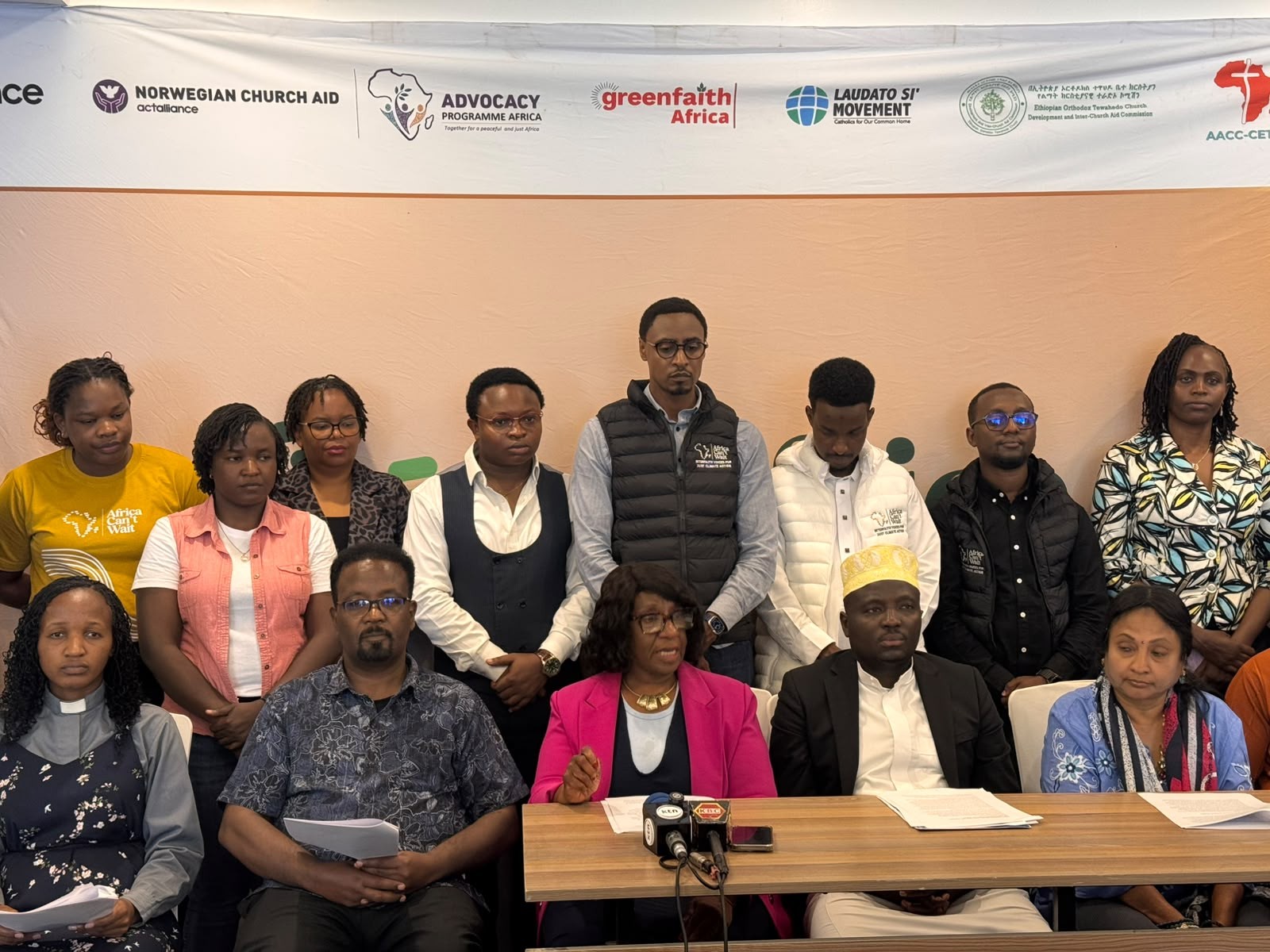
The call emerged from the Africa Can’t Wait Interfaith Pre-COP31 convening in Nairobi, where faith actors from across the continent united around a shared demand for climate policies that protect vulnerable communities, promote economic justice and safeguard the environment.
Under the message “Africa Can’t Wait,” participants challenged governments, international financial institutions and other climate stakeholders to ensure that commitments made through global climate negotiations translate into meaningful outcomes for communities already experiencing the effects of climate change.
A central concern was the need for accessible and adequate climate adaptation finance. African countries face mounting pressure from climate-related disasters, including droughts, floods and food insecurity, yet many communities lack the resources needed to prepare for and recover from these shocks.
Faith leaders argued that adaptation funding must reach communities on the front lines of the climate crisis, rather than remain trapped in lengthy funding processes or inaccessible financial arrangements. They also called for climate finance mechanisms that do not worsen Africa’s debt burden, warning that countries should not have to accumulate unsustainable debt to respond to a crisis they have contributed relatively little to causing.
The convening also placed Africa’s natural resources at the centre of discussions on climate justice, calling for an end to extractive arrangements that leave communities with limited economic benefits while exposing them to environmental damage.
Participants stressed that Africa’s transition towards cleaner energy must deliver tangible benefits to its people. They called for a just energy transition that expands access to affordable and reliable energy, creates opportunities for African communities and ensures that the continent derives greater value from its mineral resources and other natural assets.
The position reflects a broader debate about how African countries can pursue low-carbon development while addressing energy poverty, unemployment and the need for industrialisation. For faith actors, climate action must not reproduce existing inequalities or force vulnerable communities to bear the costs of economic transitions without adequate support.
Beyond financing and energy, the gathering called for stronger African agency in global climate governance. Participants urged decision-makers to recognise the continent as an active contributor to climate solutions rather than merely a recipient of international assistance.
They argued that African governments, civil society organisations, faith communities, Indigenous Peoples and other local stakeholders must have meaningful opportunities to influence decisions affecting the continent’s climate future.
GreenFaith Africa joined faith actors across the continent in the Interfaith Voices for Just Climate Action Pre-COP31 convening in Nairobi, reinforcing calls for climate justice, accessible climate finance and an equitable energy transition.
The involvement of faith communities highlights the role religious institutions can play in mobilising public participation, promoting environmental responsibility and holding decision-makers accountable. Through their community networks, faith actors can help connect international climate commitments with the everyday realities of households facing water scarcity, food insecurity and environmental degradation.
As preparations for COP31 continue, the Nairobi gathering adds to calls for a global climate response grounded in accountability, fairness and practical results. Its message is that Africa’s climate priorities must be reflected in financing decisions, energy policies and international agreements, rather than acknowledged only in speeches and declarations.
For the participating faith leaders, the way forward is clear: no extraction without African value, no adaptation without finance, no transition without justice, no climate action that increases Africa’s debt, and no global climate governance without meaningful African agency.
Their appeal is ultimately a demand for climate commitments to be measured by the difference they make in people’s lives.
Africa cannot wait for another cycle of promises. The continent needs climate action that delivers justice, protects its people and secures a sustainable future for generations to come.

