
Kenya Media Houses Face New Push for Disability-Inclusive Reporting
Posted by EDITORIAL
Kenya Editors Guild and NCPWD seek a framework to implement Section 81 of the Persons with Disabilities Act, 2025, and promote inclusive media reporting.
In Summary:
The Kenya Editors Guild and the National Council for Persons with Disabilities (NCPWD) have stepped up efforts to promote disability-inclusive journalism following a Nairobi meeting on Thursday, October 15, 2026, focused on implementing Section 81 of the Persons with Disabilities Act, 2025. The engagement sought to develop a practical framework for media houses to meet their legal responsibilities through regular disability-focused coverage, rights-based reporting and stronger accountability. The discussions also challenged journalists to move beyond stereotypes of vulnerability and dependency by highlighting the abilities, achievements, contributions and perspectives of persons with disabilities as active participants in society.
Also Read: How rising Donkey skin Demand fuels theft and illegal trade in kenya
Also Read: Kenyas Debt Crisis Questioning
The Kenya Editors Guild (KEG) and the National Council for Persons with Disabilities (NCPWD) are working to strengthen disability inclusion in Kenya's media industry, with editors and disability sector representatives calling for more consistent, accurate and rights-based reporting on persons with disabilities.
The meeting, held in Nairobi on Thursday, October 15, 2026, focused on advancing the implementation of Section 81 of the Persons with Disabilities Act, 2025, which requires media houses to promote public awareness of disability issues through regular print and broadcast content.
The engagement brought attention to the role of newsrooms in shaping public perceptions, challenging discrimination and ensuring that persons with disabilities are represented fairly in the national conversation. A key priority was developing a practical implementation framework to guide media houses, strengthen accountability and encourage disability-inclusive editorial practices.
Section 81 places disability awareness within the responsibilities of the media, moving the issue beyond occasional coverage during commemorative events or isolated human-interest stories. For media houses, implementation means making disability a regular part of editorial planning across news, features, interviews, investigations and public affairs programming.
The provision also presents an opportunity for editors to review newsroom policies, sourcing practices, language, accessibility and representation to ensure that persons with disabilities are included in stories affecting public policy, employment, education, healthcare, business and governance.
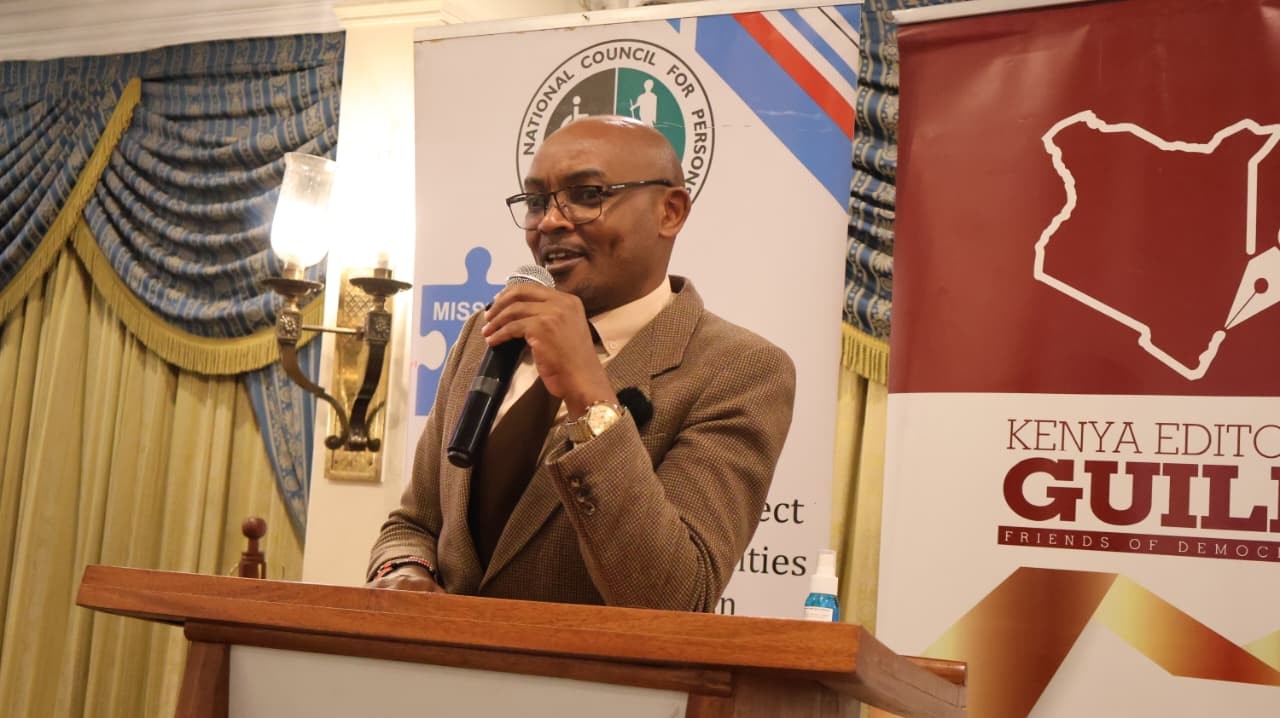
Speaking during the engagement, NCPWD Director Duncan Chengo described Section 81 as a significant opportunity to transform society if fully implemented. He urged media practitioners to recognise that inclusive reporting goes beyond simply covering disability-related events.
According to Chengo, inclusive journalism must ensure that persons with disabilities are represented, respected and included in the stories that shape the country. He emphasised the importance of recognising their experiences, achievements, challenges and perspectives as integral to Kenya's national conversation.
Chengo noted that persons with disabilities have experienced decades of stigma, discrimination, exclusion and misrepresentation, arguing that the media has the power to change these narratives through accurate and responsible reporting.
He said journalists can help challenge stereotypes, expose barriers, highlight solutions and hold institutions accountable for their obligations towards persons with disabilities.
The discussions also called for a shift away from reporting that portrays persons with disabilities primarily as vulnerable, dependent or impoverished. While acknowledging that some individuals face these challenges, participants stressed that such experiences should not define disability coverage.
Journalists were encouraged to focus on the abilities, contributions and achievements of persons with disabilities without unnecessarily framing their accomplishments as extraordinary simply because they live with disabilities.
Such framing, the meeting noted, can unintentionally reinforce the perception that disability is the most defining aspect of a person's identity rather than one part of their broader life and experience.
Francis Mutegi called on media houses to treat disability issues as human rights matters, deserving the same seriousness, consistency and editorial attention applied to other human rights concerns.
The emphasis on rights-based reporting places responsibility on journalists to examine the systems, policies and institutional practices that influence the lives of persons with disabilities, rather than concentrating exclusively on individual circumstances.
This approach could strengthen public scrutiny of accessibility, discrimination, equal opportunities and the implementation of laws intended to protect the rights of persons with disabilities.
Beyond editorial content, the meeting also highlighted the importance of disability inclusion in employment and the workplace. Chengo urged employers not to shy away from recruiting persons with disabilities, noting that organisations investing in reasonable accommodation and accessibility measures may qualify for tax incentives and other forms of support provided under the law.
For media organisations, this presents an opportunity to examine not only how disability is covered in published content but also how inclusive their own workplaces are, including recruitment, newsroom accessibility and opportunities for journalists with disabilities to participate in editorial decision-making.
PHOTO CREDITS: Kenya Editors Guild X

